
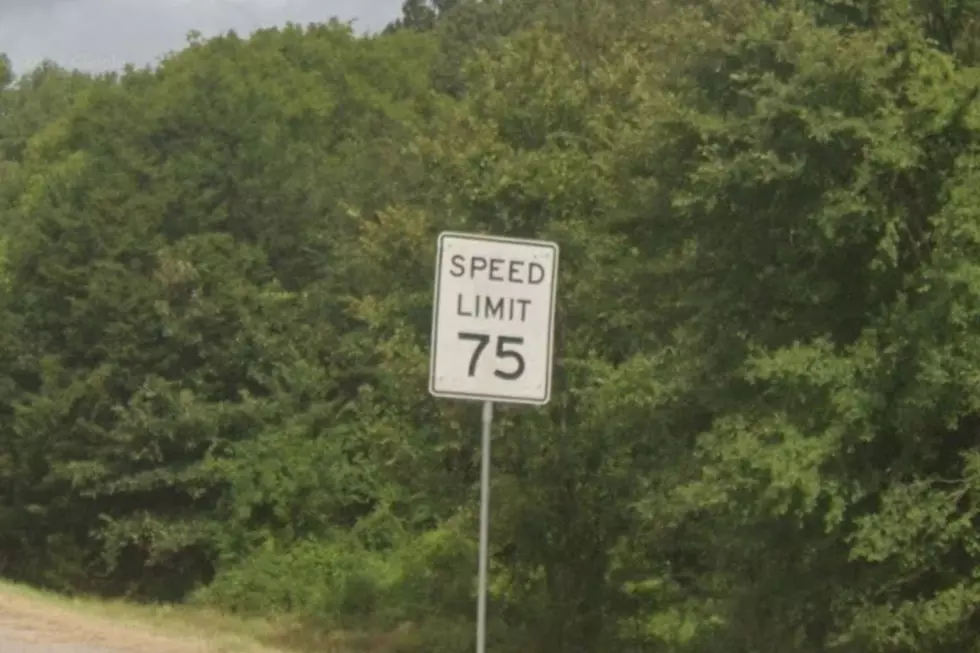
This is How Texas Determines the Speed Limit on a Road or Highway
(Austin, Texas) - Speed limits can be a bit of a sore subject for many. I, for one, try my best to follow the posted speed limit. I know that can upset some of you behind the wheel but I can't afford to pay for a ticket or the increase in my insurance. I'm glad you can.
As annoying as it can be to get behind someone who is following the speed limit, you have to realize that it's the law and you can be pulled over for going over the posted speed limit. Yes, it's a free country, but that doesn't mean you can do whatever you want. So how does Texas determine the posted speed limit? It's actually a rather simple formula.
Range of Speed Limits in Texas
Speed limits in Texas range from 25 miles per hour in residential areas to 75 miles per hour on parts of the interstate to one stretch of highway between Austin and Seguin that has an 85 miles per hour limit. Despite the myths you've heard, driving 5, 10 or 15 miles over that speed limit is breaking the law.
I've been pulled over and ticketed for going 5 miles over the speed limit TWICE. So yes, I whole heartedly believe it's a myth. I'm glad you've never been stopped for doing it but I have so that's why I don't do it.
READ MORE: 10 Myths About Texas Weather That Simply Aren't True

Speeders May Influence the Setting of a Speed Limit
It might actually be those who speed that determine a higher speed limit for a highway. Speed limits in Texas are set based on the "85 percent rule" (KETK). Meaning, if 85 percent of drivers drive just above the speed limit on a particular stretch of roadway, it's possible that the speed limit could increase.
You've seen those cables that stretch across the roadway from time to time. That's a device that collects that information. Engineers will use that information to take a look at the speed that 85 percent of people are driving and then will either lower the speed limit, keep it the same or raise it. That number is rounded to the nearest zero or five.
Dangers of Increased Speed Limit
While a speed increase sounds like a lot of fun for those with a lead foot, that increase also leads to more traffic fatalities. Every speed limit increase of 10 miles per hour results in two times the fatal car crashes. Add in those who are fumbling with their phones and you basically have a drunk driver doing 80 miles per hour. That's dangerous and irresponsible.
READ MORE: These East Texas Speed Traps are Some of the Worst in the State
Check Out These 30 Weird Laws Still on the Books in the State of Texas
Gallery Credit: unsplash.com, YouTube, Getty Images, John Roman
Texas has 12 Weird Laws for Buying and Selling Liquor in the State
Gallery Credit: Michael Gibson / Townsquare Media